
Shanghai Lujiazui Shopping: The Complete District Guide
Explore Shanghai Lujiazui shopping with our expert guide covering luxury malls, local boutiques, insider tips, and real visitor case studies.
Posted by
 Vangelis
Related reading
27 Things to Know About IAPM Mall Shanghai Before You Visit
The ultimate guide to IAPM Mall Shanghai - discover luxury shopping, dining, practical tips, floor guides, and insider secrets for the best experience at this iconic Huaihai Road destination.
IFC Mall Shanghai: 57 Things You Need to Know Before Visiting
Your ultimate guide to IFC Mall Shanghai - discover luxury shopping, dining, transportation, insider tips, and everything you need for the perfect visit to Pudong's premier shopping destination.
Xujiahui Shopping Area in Shanghai: Complete Guide with Real Visitor Stories
Discover why locals and tourists love the Xujiahui shopping area in Shanghai. Real case studies, mall comparisons, budget guides, and insider tips for the best shopping experience.
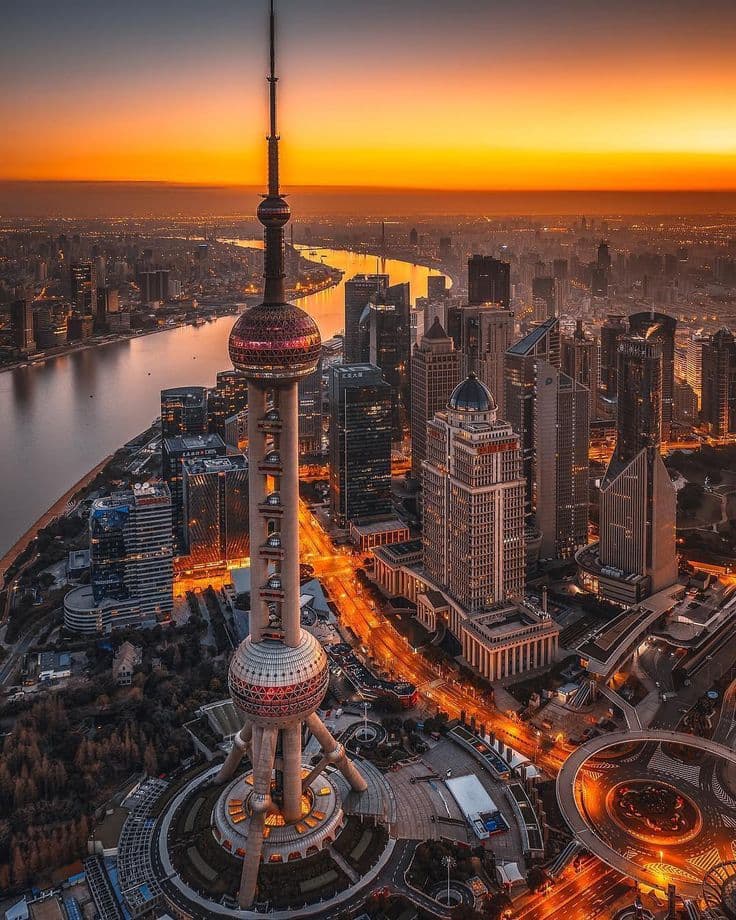
Imagine standing at the foot of the Oriental Pearl Tower, looking out across a skyline that has become one of the most photographed in the world. The glass towers of Lujiazui gleam in the afternoon sun. Bankers and fund managers move briskly through revolving doors. But look closer, and you will notice something else entirely — shopping bags swinging from the arms of tourists, luxury brand storefronts glowing behind polished facades, and food halls buzzing with diners from every corner of the globe.
Shanghai Lujiazui shopping has quietly transformed this financial nerve center into one of Asia's most compelling retail destinations. The district generates billions of yuan in retail revenue annually, drawing everyone from high-net-worth Chinese consumers to first-time international tourists. This guide is built around real case studies of the district's major malls, backed by consumer behavior data, and designed to give you a practical framework for making the most of every visit. Whether you are planning your first trip or your fiftieth, this is the complete playbook.
What Makes Lujiazui a World-Class Shopping Destination?
Before diving into the malls themselves, it helps to understand what makes this district tick. Lujiazui is not just a collection of stores. It is a carefully layered retail ecosystem shaped by geography, history, and a very specific type of shopper.
The Geography of Lujiazui's Retail Ecosystem
Lujiazui sits on the eastern bank of the Huangpu River in Pudong, directly across from the historic Bund. The core shopping zone runs along Century Avenue and the Lujiazui Ring Road, with a dense cluster of malls and flagships packed into roughly an 800-meter radius. That is remarkable retail density by any global standard.
Metro Lines 2 and 14 both serve the area, making it highly accessible from Puxi (the western side of Shanghai) and from Pudong International Airport. Lujiazui Station on Line 2 drops you almost directly beneath IFC Mall, which is a deliberate piece of urban planning that funnels commuter traffic straight into the retail floor. Walkability between the major malls is genuinely good, though the summer heat and winter chill can make the riverside promenade less appealing during extreme weather months.
How Lujiazui Evolved from Finance Hub to Retail Powerhouse
In 1990, the Chinese government officially opened Pudong to development, setting off one of the most dramatic urban transformations in modern history. The early vision was purely financial — a new CBD to rival Hong Kong and Singapore. Retail was almost an afterthought.
The first wave of luxury tenants arrived in the early 2000s, following the professionals and expatriates who had moved into the gleaming new tower blocks. The real inflection point came after 2010, when Shanghai IFC Mall opened and introduced a "vertical luxury stacking" model that placed Hermès, Prada, and Cartier just floors above Goldman Sachs and HSBC offices. That proximity to wealth created a captive, high-spending audience that mall developers anywhere in the world would envy.
Meanwhile, older Puxi shopping districts like Nanjing Road and Huaihai Road had their own loyal followings, but they catered to different crowds. Lujiazui carved out a distinct identity built around a "financier-tourist dual audience" — the office worker grabbing a Rolex on a lunch break and the tourist fresh off a Bund riverboat cruise picking up a branded souvenir. That combination has proven extraordinarily durable.
Who Shops in Lujiazui? A Demographic Breakdown
Understanding the customer base explains everything about the retail mix. Lujiazui draws four main segments:
- Expatriate professionals living in Pudong or working in the towers are frequent, high-value shoppers with international brand familiarity and disposable incomes well above the Shanghai average.
- Chinese luxury consumers, particularly younger high earners aged 25–40, are the fastest-growing segment. Bain & Company's annual luxury reports consistently show that Chinese consumers in Tier-1 cities now account for an outsized share of global luxury spending.
- International tourists contribute strong foot traffic, particularly around major holidays and the cruise season. They tend to have shorter dwell times but are drawn to the district's iconic skyline backdrop.
- Business travelers make up a quieter but consistent segment — short stays, high budgets, and a preference for efficient, premium retail that does not require too much navigation.
Average basket sizes in Lujiazui's luxury tier are consistently higher than comparable districts in Shanghai, reflecting the purchasing power concentrated in this small geographic area.
🎥 Shanghai Lujiazui District Tour — Luxury Malls and Skyline Views
The Major Malls of Lujiazui — A Deep-Dive Case Study Analysis
This is where theory meets practice. Each major mall in Lujiazui has its own positioning strategy, tenant mix, and consumer appeal. Understanding them as individual case studies helps you shop smarter and reveals broader lessons about how retail works in a world-class financial district.
Case Study — Shanghai IFC Mall (国金中心)
Shanghai IFC Mall opened in 2010, developed by Hong Kong's Sun Hung Kai Properties as part of the broader IFC complex that includes two Grade-A office towers and a five-star hotel. The gross floor area spans approximately 110,000 square meters of retail space across multiple levels.
📊 IFC Mall — Key Stats at a Glance
- Developer: Sun Hung Kai Properties
- Opening Year: 2010
- GFA: ~110,000 sqm retail
- Tenant Mix: Ultra-luxury 40% | Premium 35% | F&B 25%
- Key Anchors: Apple, Lane Crawford, Chanel, Louis Vuitton
- Metro Access: Line 2, Exit 6 (direct internal connection)
Walk the floors and you will immediately notice the weighting. Ultra-luxury brands account for around 40% of the floor space — this is Chanel, Louis Vuitton, and Bottega Veneta territory. Premium brands (think Apple, TAG Heuer, and high-end fashion labels) take up roughly 35%. The remaining 25% is given over to food and beverage, which is unusually high for a luxury mall and reflects a deliberate strategy to extend dwell time.
The genius of IFC Mall is its sky-bridge connectivity directly to the office towers above. Tens of thousands of financial professionals pass through the building's circulation every single day. Many of them manage funds that control billions. The mall does not need to fight for foot traffic through advertising alone — it has a built-in, captive, high-net-worth audience arriving by escalator.
Case Study — Super Brand Mall (正大广场)
Super Brand Mall sits at the northern tip of the Lujiazui zone, almost touching the base of the Oriental Pearl Tower. It is one of the largest malls in Shanghai by gross floor area, spanning around 240,000 square meters across ten floors.
Where IFC Mall goes deep on luxury, Super Brand Mall goes wide on volume. This is a mass-premium, family-oriented destination. You will find fast fashion anchors like Zara and H&M alongside mid-range F&B chains, a multiplex cinema, and arcade entertainment floors. The price points are accessible for a much broader demographic.
The proximity to the Oriental Pearl Tower is no accident. Millions of tourists visit that iconic landmark every year, and Super Brand Mall is positioned directly in their sightline and footpath. The mall actively programs tourist-friendly retail — souvenir shops, duty-free adjacent options, and restaurants with English menus are all deliberate inclusions.
Case Study — Shanghai Times Square & Smaller Players
Between the twin poles of IFC and Super Brand Mall, a group of secondary malls fills the mid-market gap that every healthy retail district needs. Shanghai Times Square positions itself in the premium-midmarket tier, with a tenant mix that skews toward international lifestyle brands, cosmetics, and accessible luxury.
AP Plaza deserves special mention for its specialist positioning in watches and jewelry. This is a destination for buyers who know exactly what they want and are comparison-shopping across multiple authorized dealers. The concentration of timepiece retailers in a single location creates a cluster effect — buyers come specifically because they know they will find comprehensive selection and competitive pricing.
Post-2022, several newer retail developments have been emerging in and around the Lujiazui zone, with developers paying close attention to experiential retail concepts that blend art, dining, and fashion in ways that appeal to younger, post-pandemic Chinese consumers.
The Street-Level Retail Layer — Boutiques and Flagship Stores
Do not make the mistake of spending your entire visit inside mall buildings. The street-level retail along Century Avenue and the Lujiazui Ring Road is genuinely interesting, even if it is less obvious to first-time visitors.
Luxury automotive brands have staked out flagship showroom spaces here — Ferrari, Lamborghini, and several premium Chinese EV brands use the financial district address as a positioning statement as much as a sales tool. Inside the podiums of the major office towers, you will find boutique tenants that rarely appear on tourist maps — specialist wine merchants, bespoke tailors, and import goods stores catering specifically to the expat professional crowd.
🗺️ Hidden Gem Alert: Tower Podium Boutiques
The ground floors of Shanghai Tower, Jin Mao Tower, and the World Financial Center all contain specialist retail tenants that most tourists never discover. Ask building security for the directory — some of the most interesting shopping in Lujiazui happens 30 meters off the main tourist path.
🎥 Inside IFC Mall Shanghai — Luxury Shopping Floor by Floor
Luxury Shopping in Lujiazui — Brands, Strategies, and Consumer Behavior
Understanding why specific brands choose Lujiazui, and how Chinese luxury consumers behave once they are inside a store, transforms the shopping experience from a transaction into something far more interesting.
The Ultra-Luxury Brand Ecosystem
In the watches and jewelry segment, you will find every major Swiss house represented — Rolex, Patek Philippe, Audemars Piguet, and Cartier all maintain flagship or prominent multi-brand retail presences within the IFC ecosystem. Haute couture and leather goods follow a similar concentration pattern, with the major French and Italian houses treating IFC Mall as their Pudong flagship.
Fine wine and spirits retail has also found a natural home in Lujiazui, with specialist merchants catering to the corporate gifting culture that runs deep in Chinese business practice. A bottle of Château Pétrus or a rare Moutai vintage is as likely to end up in a deal-closing meeting room as on a dinner table.
Several brands have used Lujiazui stores to launch China-exclusive products — limited edition colorways, collaborations with Chinese artists, and packaging designs created specifically for the Lunar New Year and other significant cultural moments. These localized strategies signal genuine commitment to the Chinese market rather than simple export behavior.
How Chinese Luxury Consumers Shop Lujiazui Differently
Chinese luxury consumers in Lujiazui do not browse the way a tourist might. Research often happens weeks or even months before a purchase, primarily through WeChat Moments, Xiaohongshu (Little Red Book), and dedicated luxury consumer communities. By the time a buyer steps onto the IFC Mall floor, they have usually already decided what they want — the in-store visit is about confirming the physical experience and completing the ritual of acquisition.
KOL (Key Opinion Leader) live-streaming from Lujiazui retail floors has become a genuine traffic driver. Watching a trusted influencer try on a watch or unbox a limited-edition handbag from inside the actual IFC Mall boutique creates a sense of place and authenticity that standard advertising cannot replicate.
- Pre-purchase research: Most buyers spend 2–4 weeks researching on Xiaohongshu before a major luxury purchase in Lujiazui.
- Daigou dynamics: Professional purchasing agents remain present on IFC Mall floors, now focused on limited-edition access rather than price arbitrage since tariff equalization.
- In-store ritual: The physical store visit functions as a culmination experience, not a discovery experience — brands design accordingly.
- Social sharing: Many purchases are photographed in-store and shared immediately on social platforms, making the visual quality of retail environments a genuine revenue driver.
Luxury Tourism and the "Skyline Shopping" Experience
For international tourists, shopping in Lujiazui carries a dimension that no other district in Shanghai can quite replicate. The Huangpu River views, the scale of the skyline, and the sheer drama of the architecture create what you might call an "experiential premium" — shoppers are willing to spend more because the act of purchasing feels special in this environment.
Foreign shoppers should be aware of China's VAT rebate system for tourists. International visitors who spend above a qualifying threshold at registered retailers can claim a refund on the 13% VAT component of eligible purchases. The process typically involves presenting your passport at the point of sale, retaining specific documentation, and processing the refund either at the airport or through designated city refund points. IFC Mall has dedicated tax refund assistance services — worth asking about at the concierge desk before you begin shopping.
Practical Shopping Guide — How to Navigate Lujiazui Like a Local
Getting There and Moving Between Malls
Metro Line 2 is your friend. The Lujiazui Station sits directly beneath IFC Mall, with Exit 6 taking you into the mall's lower ground floor and Exit 1 pointing you toward the riverside and Super Brand Mall. The walk between IFC Mall and Super Brand Mall along the elevated riverside promenade takes roughly 10–12 minutes and is genuinely pleasant in good weather — you get the full Bund panorama for free.
For those arriving by taxi or rideshare (Didi is the dominant app), IFC Mall's designated drop-off point is on Century Avenue. Super Brand Mall has a larger drop-off zone on Lujiazui Ring Road that handles the higher tourist vehicle volumes better. Self-drive visitors will find multi-story parking beneath both IFC Mall and Super Brand Mall, though Golden Week parking can test anyone's patience.
Best Times to Shop in Lujiazui
Weekday mornings between 10am and 12pm offer the best combination of freshness (replenished stock, alert staff) and manageable crowds. Weekend afternoons in the luxury tier are busy but rarely overwhelming outside of major holidays.
Golden Week — the week-long national holidays in early October and early May — brings extraordinary crowd surges across the entire district. Super Brand Mall in particular can feel genuinely congested. If you must visit during Golden Week, aim for the first morning of the holiday when crowds have not yet fully mobilized, or visit on the final day when many tourists have departed.
📅 Optimal Visit Windows by Season
- Spring (March–May): Excellent weather, pre-Golden Week calm — ideal for first visits
- Summer (June–August): Peak tourist season, indoor malls are refreshingly air-conditioned
- Autumn (September–November): Best overall conditions — mild weather, post-summer quiet before year-end rush
- Winter (December–February): Quiet but cold; Chinese New Year brings decoration displays worth seeing
Budget Planning — What to Expect at Each Price Tier
| Price Tier | Typical Spend Per Item | Where to Find It | Best For |
|---|---|---|---|
| Ultra-Luxury | ¥5,000+ | IFC Mall L1–L3 | HNWI shoppers, serious collectors |
| Premium | ¥1,000–¥5,000 | IFC upper floors, AP Plaza | Expats, business travelers |
| Mid-Market | ¥200–¥1,000 | Times Square, IFC lower floors | Lifestyle shoppers, casual visitors |
| Tourist Retail | Under ¥200 | Super Brand Mall, riverside vendors | First-time visitors, families |
For dining, budget around ¥80–120 per person for a casual mall food court meal, ¥150–300 for a mid-range restaurant, and ¥400 and above for the premium F&B options on IFC Mall's upper floors. Payment is straightforward — Alipay and WeChat Pay are accepted everywhere. Most luxury flagships in IFC Mall now accept international Visa and Mastercard without issue.
Insider Tips from Regular Lujiazui Shoppers
- Join the IFC Mall VIP program early. The membership tier system unlocks validated parking, priority access to new arrivals, and invitation-only brand events. Registration is available at the concierge desk on the ground floor.
- Eat on the IFC Mall Sky Terrace floors. The F&B options on the upper floors combine panoramic Huangpu River views with genuinely excellent cuisine — a combination that is hard to find anywhere else in Shanghai.
- Use Exit 6 for a direct IFC entry. This drops you inside the mall's lower ground level, bypassing the street-level crowds entirely and shaving 5–10 minutes off your entry time.
- Time your luxury purchases for end-of-season sales. Late January and late July typically see the most aggressive markdowns at premium multi-brand retailers within the cluster.
- Ask about China-exclusive launches. Many Lujiazui boutiques stock items unavailable elsewhere — you only find out by asking directly or following brand WeChat official accounts before your visit.
- Rooftop bar access via mall escalators. Several rooftop and high-floor bars in the Lujiazui towers can be accessed by walking through the mall podiums — no need for a hotel booking or prior reservation in most cases.
Lujiazui Shopping vs. Other Shanghai Districts — Comparative Analysis
Lujiazui vs. Nanjing Road (Puxi) — Different Audiences, Different Missions
Nanjing Road is Shanghai's most famous retail street, and for good reason — it handles extraordinary tourist volume with a mix of flagship department stores, fast fashion, and local brand names. But the comparison with Lujiazui reveals two fundamentally different retail philosophies.
Nanjing Road optimizes for tourist volume. Lujiazui optimizes for curated luxury and average transaction value. If you are looking for affordable souvenirs, branded sportswear, and the buzz of a genuinely packed Chinese shopping street, Nanjing Road delivers. If you are looking for Swiss watches, French couture, and a shopping environment that feels more Mayfair than Main Street, Lujiazui is your destination.
| Factor | Lujiazui | Nanjing Road |
|---|---|---|
| Primary Audience | Expats, luxury consumers, business travelers | Domestic tourists, casual shoppers |
| Price Index | Premium to ultra-luxury | Mid-market to premium |
| Atmosphere | Corporate prestige, curated calm | High energy, tourist bustle |
| Best Use Case | Luxury purchases, fine dining, skyline experience | Souvenirs, browsing, street food |
Lujiazui vs. Xintiandi and IAPM Mall
Xintiandi and its adjacent IAPM Mall occupy a different positioning niche entirely — they are lifestyle-retail destinations that sell an aesthetic of sophisticated urban living. The tenant mix leans toward contemporary fashion, artisanal F&B, and design-forward home goods. The audience skews younger and more culturally oriented than the IFC crowd.
The key practical insight is that Lujiazui and Xintiandi are not competitors for the same shopper on the same day. They are complementary stops on a well-designed Shanghai retail itinerary. Many visitors spend a Lujiazui morning handling serious luxury purchases, then cross to Puxi for a Xintiandi afternoon of café culture, design browsing, and lane-house exploration.
Lujiazui vs. Global Luxury Retail Districts
How does Lujiazui rank on the global luxury retail circuit? The honest answer is: impressively, but with a distinct character.
- Tokyo Ginza: Ginza wins on heritage and craftsmanship curation; Lujiazui wins on sheer scale and skyline drama.
- Hong Kong Central: Similar financial district positioning; Lujiazui has larger individual mall formats but Hong Kong benefits from deeper international brand penetration historically.
- Singapore Orchard Road: Orchard Road is a linear high street; Lujiazui's cluster model creates denser retail gravity within a smaller area.
What makes Lujiazui genuinely unique on the global circuit is the integration of skyline as retail backdrop. No other luxury shopping destination in the world combines this density of high-end retail with an architectural spectacle of this magnitude. The view from IFC Mall's upper floors — across the Huangpu River to the Bund — is a shopping experience enhancement that money genuinely cannot buy anywhere else.
🎥 Shanghai Nighttime Skyline
The Future of Lujiazui Shopping — Trends and Developments
The Lujiazui retail story is far from finished. Several converging trends are reshaping what the district will look like for shoppers in the years ahead.
Experiential Retail and the Post-Transaction Economy
The next wave of Lujiazui retail is built around experience over transaction. Brands that survive the shift from e-commerce disruption are the ones investing in in-store experiences that cannot be replicated online. IFC Mall has been piloting brand immersion lounges where clients book private appointments, receive personalized service, and leave with curated purchases — a model that treats the store as a concierge service rather than a showroom.
New Retail Developments and Planned Expansions
Several new-format retail developments are in various stages of planning and construction within the Lujiazui zone. The emphasis in recent planning approvals has shifted toward mixed-use podium developments that combine retail, cultural programming, and F&B in configurations that defy traditional mall categorization.
The Lujiazui Group, the state-backed entity that controls much of the district's land and development, has publicly signaled its intention to position the zone as a global retail landmark rather than simply a domestic luxury destination. That ambition is reflected in the international architectural talent and global brand partnerships being pursued for new developments.
🔮 Trends to Watch in Lujiazui Retail
- AR and digital try-on: Several luxury boutiques are piloting augmented reality fitting room technology that integrates WeChat Mini Programs with in-store experiences.
- Cultural programming: Art installations and cultural events are increasingly used to drive traffic to retail floors — blurring the line between museum and mall.
- Chinese heritage brands: A new generation of premium Chinese brands is securing Lujiazui presence alongside international names, reflecting growing domestic luxury confidence.
- Sustainability credentials: Younger Chinese luxury consumers increasingly factor brand sustainability positioning into purchase decisions — watch for green retail certifications becoming a competitive differentiator.
🏙️ Key Takeaways — Your Lujiazui Shopping Framework
Whether you are a first-time visitor trying to navigate the mall cluster or a seasoned Lujiazui regular looking for an edge, the case studies and data in this guide point to a clear set of principles:
- ✅ For ultra-luxury shopping: IFC Mall is non-negotiable — the tenant mix, accessibility, and office-tower captive audience make it Shanghai's finest retail environment
- ✅ For family visits and tourist retail: Super Brand Mall's scale and entertainment offering make it the right choice for groups with diverse budgets
- ✅ For watches and jewelry specialists: AP Plaza's cluster model is worth the visit for serious comparison buyers
- ✅ For hidden gems: Tower podium boutiques and street-level flagships reward shoppers who explore beyond the main mall entrances
- ✅ Best visit timing: Weekday mornings between 10am and 12pm for luxury tier; avoid Golden Week peak days across all venues
- ✅ Save money: VAT refund claims can return 13% on qualifying purchases — start the paperwork in-store, not at the airport
- ✅ Payment: Alipay, WeChat Pay, and UnionPay are universal; international cards accepted at major luxury flagships
- ✅ Metro is king: Line 2 Exit 6 delivers you directly into IFC Mall — the most efficient entry point in the district
Shanghai Lujiazui shopping is not just a retail errand. It is a full-spectrum urban experience where the world's most powerful brands perform against the backdrop of one of humanity's most dramatic skylines. Plan carefully, arrive early, and you will leave with far more than shopping bags.
Have you visited the Lujiazui shopping district? Which mall surprised you most, and what did you discover off the tourist trail? We would love to hear from fellow shoppers and explorers who have cracked the code on this remarkable district. 🛍️