
The Complete Guide to Making Authentic Shanghai Xiaolongbao 🥟
Master the art of making authentic Shanghai xiaolongbao (soup dumplings) at home with this comprehensive step-by-step guide. Learn the secrets of creating perfect soup-filled dumplings with detailed instructions, troubleshooting tips, and expert techniques.
Posted by
 Vangelis
Related reading
The Ultimate Guide to Rooftop Bars in Shanghai: 15 Stunning Spots You Need to Visit
Discover the best rooftop bars in Shanghai with stunning skyline views, craft cocktails, and unforgettable experiences. From luxury lounges to hidden gems, find your perfect spot above the city.
The Ultimate Guide to Shanghai Jazz Bars: Where Music History Meets Modern Nightlife
Discover Shanghai's incredible jazz culture with our comprehensive guide to the best jazz bars, from historic venues to modern clubs. Learn insider tips, best times to visit, and how to experience authentic Shanghai jazz.
The Ultimate Guide to Vegetarian Restaurants in Shanghai: 20+ Best Plant-Based Dining Spots
Discover the best vegetarian restaurants in Shanghai! From traditional Buddhist cuisine to modern vegan cafes, explore 20+ plant-based dining options with prices, locations, and insider tips.
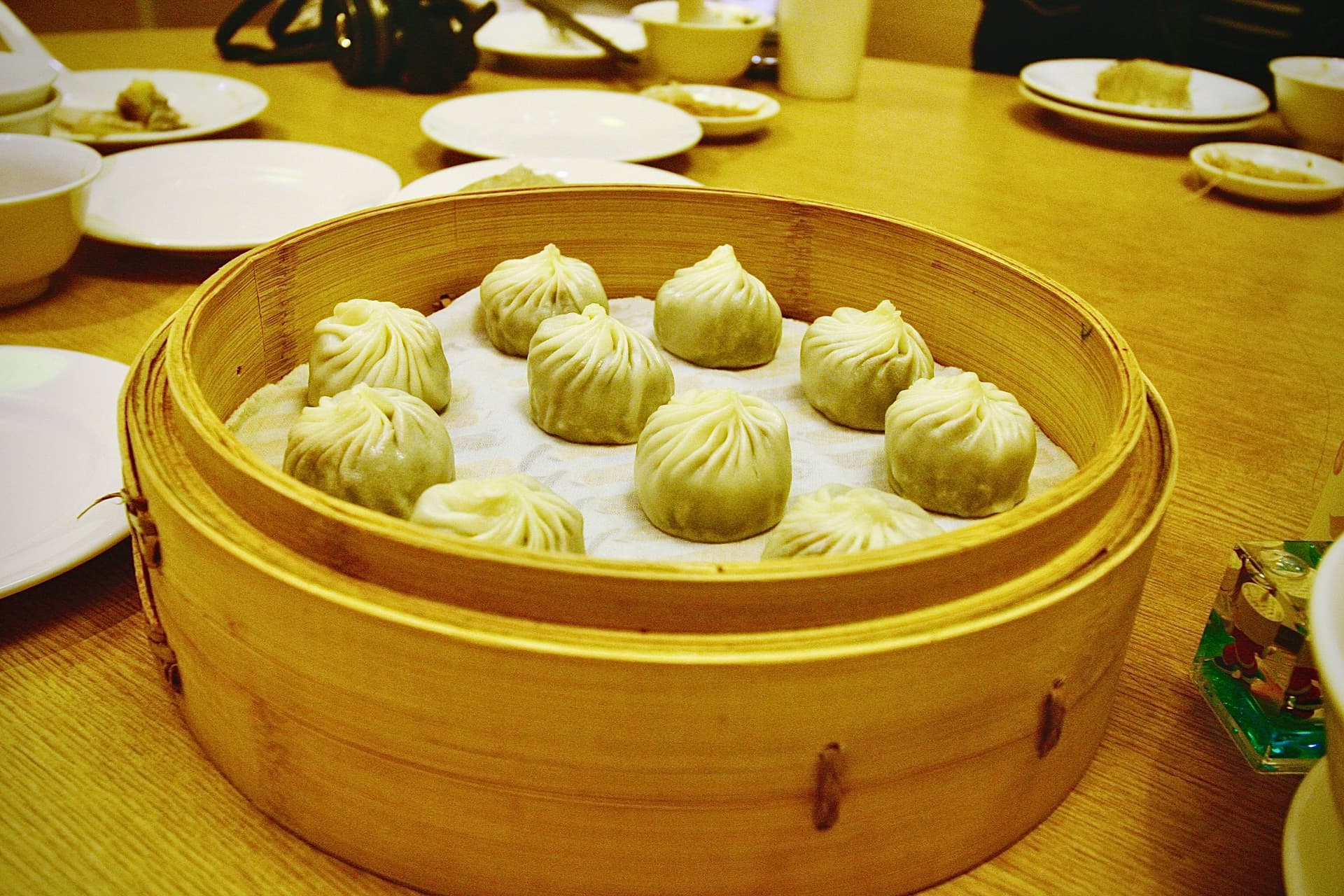
Want to master the art of making those amazing soup-filled dumplings from Shanghai? You're in the right place! Let's unlock the secrets of creating authentic xiaolongbao right in your home kitchen.
What Makes Xiaolongbao So Special? 🌟
Have you ever bitten into a dumpling and discovered a burst of hot, savory soup inside? That's the magic of xiaolongbao – those delicate Shanghai soup dumplings that have captured hearts around the world. These aren't just any dumplings. They're little purses of thin dough holding both meat filling and rich soup, all in one perfect bite.
Making xiaolongbao might seem like something only professional chefs can do. But guess what? With the right knowledge and a bit of practice, you can create these restaurant-quality soup dumplings at home. Let's dive into everything you need to know!
The Story Behind Shanghai's Famous Dumplings 📚
Xiaolongbao started their journey in Nanxiang, a suburb of Shanghai, over 150 years ago. A clever restaurant owner named Huang Mingxian wanted to create something special that would bring customers to his shop. He took the traditional steamed bun and made it smaller, thinner, and filled it with soup. The name literally means "little basket buns" because they're steamed in small bamboo baskets.
What began as a local specialty has become Shanghai's most famous food export. Today, you'll find xiaolongbao shops from Tokyo to New York. But there's something special about making them yourself – you control the quality, the flavors, and best of all, you can eat them fresh from the steamer!
Different regions have put their own spin on these soup dumplings. Some add crab meat, others use different meats, and creative cooks have even made chocolate versions! But today, we're focusing on the classic pork xiaolongbao that made Shanghai famous.
Learn about the fascinating history of xiaolongbao
Understanding the Science: How Does Soup Get Inside? 🔬
Ever wondered how chefs get soup inside a dumpling without it leaking out? It's not magic – it's science! The secret lies in something called aspic or meat jelly. When you cook pork bones and skin for a long time, the collagen breaks down into gelatin. This gelatin sets into a jelly when cold, but melts back into soup when steamed.
Think of it like Jell-O that turns into broth. You mix solid chunks of this savory jelly with your meat filling. When you wrap everything in dough and steam it, the heat melts the jelly into delicious soup. The thin dough acts like a waterproof bag, keeping all that goodness inside until you take a bite.
The steam does two jobs here. First, it cooks the meat and dough. Second, it provides gentle, even heat that melts the gelatin slowly. This is why xiaolongbao must be steamed, not boiled or fried – other cooking methods would either burst the dumplings or not melt the soup properly.
Interactive Xiaolongbao Making Process
Step 1: Prepare Soup Jelly
Cook pork bones for 4-6 hours to create gelatin-rich broth
Essential Equipment and Smart Alternatives 🛠️
You don't need a professional kitchen to make great xiaolongbao. Here's what really helps:
Must-Have Tools:
- A rolling pin (a wine bottle works too!)
- A sharp knife or dough cutter
- Mixing bowls
- A steamer setup
The Steamer Situation:
Traditional bamboo steamers are wonderful – they absorb extra moisture and give a subtle bamboo scent. But don't worry if you don't have one! You can use:
- A metal steamer insert in a regular pot
- A heat-proof plate on an upside-down bowl in a covered wok
- Even a colander over a pot of boiling water (cover with a lid)
Pro tip: Line your steamer with parchment paper with holes cut in it, or use cabbage leaves. This prevents sticking and makes removal easier. Some people use cheesecloth, but be careful – the dumplings might stick to it.
Ingredients Deep Dive: Choose Wisely 🥘
Getting the right ingredients makes all the difference between good and amazing xiaolongbao.
For the Dough:
The dough for soup dumplings is simpler than you might think. You need:
- All-purpose flour (2 cups): Bread flour is too strong, cake flour too weak
- Hot water (3/4 cup): Hot water partially cooks the flour, making the dough easier to work with
- Salt (1/2 teaspoon): For flavor and dough strength
- Oil (1 tablespoon): Keeps the dough soft and pliable
Why hot water? It's a technique called "tang zhong" that partially gelatinizes the starch in the flour. This makes the dough stretchy enough to roll thin but strong enough to hold soup. Some recipes use half hot and half cold water – this gives you the benefits of both.
For the Soup Jelly:
This is your secret weapon! Traditional recipes use:
- Pork skin (1 pound): Full of collagen that becomes gelatin
- Pork bones (1 pound): Adds deeper flavor
- Chicken bones (optional): Makes the soup lighter
- Ginger (3 slices): Removes any gamey smell
- Spring onions (2 stalks): Adds sweetness
- Shaoxing wine (2 tablespoons): Brings depth (cooking wine works too)
Can't find pork skin? Use pork trotters or add unflavored gelatin to rich pork stock. The goal is a firm jelly that melts easily.
For the Filling:
The filling needs the right balance of meat, fat, and seasonings:
- Ground pork (1 pound): 70% lean, 30% fat is perfect
- Soup jelly (1 cup, diced): Your homemade aspic
- Ginger (1 tablespoon, minced): Fresh is best
- Spring onions (3, minced): White and green parts
- Soy sauce (2 tablespoons): Light soy for saltiness
- Sesame oil (1 teaspoon): Adds nutty aroma
- White pepper (1/2 teaspoon): Traditional spice for dumplings
- Sugar (1 teaspoon): Balances the flavors
- Cornstarch (1 tablespoon): Helps bind everything
Want to make it special? Add a bit of crab meat or shrimp. Vegetarian? Use mushroom broth for the jelly and fill with seasoned mushrooms and vegetables.
Making the Perfect Dough: Your Foundation 🥖
Ready to make the dough? This is easier than making bread – no yeast, no long rising times!
Step 1: Mix Your Dough
Pour your flour into a large bowl and make a well in the center. Bring water to a boil, then let it cool for 30 seconds (about 175°F if you have a thermometer). Pour the hot water slowly into the flour while stirring with chopsticks or a fork. It'll look shaggy and rough – that's perfect!
Step 2: Knead Like You Mean It
Once it's cool enough to touch, knead the dough for 10 minutes. Yes, 10 full minutes! Set a timer. The dough transforms from rough to smooth and elastic. If it's too dry, wet your hands. Too sticky? Dust with a tiny bit of flour.
Step 3: Rest and Relax
Cover the dough with a damp towel and let it rest for 30 minutes. This relaxes the gluten, making it easier to roll thin. Some cooks rest it for up to 2 hours – longer rest means easier rolling.
Step 4: Portion with Precision
Roll the dough into a long snake about 1 inch thick. Cut into pieces about the size of a walnut (roughly 10 grams each). You should get about 20-24 pieces. Keep them covered so they don't dry out.
Step 5: Roll It Right
Here's the trick: roll each piece into a circle about 3-4 inches across, but make the edges thinner than the center. The center needs strength to hold the filling, while thin edges are easier to pleat. Roll from the center outward, turning the dough as you go.
Watch the professional pleating technique in action
Creating the Magic Filling ✨
The filling is where xiaolongbao really shine. Let's build layers of flavor!
Step 1: Make Your Soup Jelly (Day Before)
Rinse your pork skin and bones. Put them in a pot with 6 cups of water. Bring to a boil, then dump the water (this removes impurities). Add fresh water, ginger, and spring onions. Simmer gently for 4-6 hours. The liquid should reduce by half.
Strain everything out and season the broth with salt and white pepper. Pour into a shallow pan and refrigerate overnight. It should be firm enough to cut into cubes. This jelly is pure gold – it's what makes your dumplings soup dumplings!
Step 2: Prepare the Meat
Choose ground pork with visible fat marbling. If it's too lean, your filling will be dry. Put the meat in a bowl and add your seasonings: soy sauce, sesame oil, white pepper, and sugar. Here's the key: stir in one direction only! This develops the proteins and creates a bouncy texture.
Step 3: The Mixing Magic
Add your minced ginger and spring onions to the meat. Mix well. Now comes the important part: fold in your diced soup jelly gently. You want distinct pieces, not mush. The mixture should look like cookie dough with chocolate chips, where the "chips" are jelly cubes.
Step 4: Chill Out
Put the filling in the fridge for at least 30 minutes. Cold filling is easier to work with and helps the jelly stay solid while you're wrapping. Some chefs even pop it in the freezer for 10 minutes.
The Art of Pleating: Practice Makes Perfect 🎨
This is where xiaolongbao become little works of art. Traditional soup dumplings have 18 to 22 pleats, but don't stress – even 10 pleats will work!
Step 1: Set Up Your Station
Arrange everything within reach: your dough circles, filling, a small bowl of water, and a lined steamer basket. Work with 4-6 wrappers at a time, keeping the rest covered.
Step 2: Fill It Right
Place a wrapper in your palm. Add about 1 tablespoon of filling (roughly 15 grams) in the center. Don't overfill! It's better to have less filling and a sealed dumpling than a burst one.
Step 3: The Basic Pleat
Hold the wrapper like a small plate in your non-dominant hand. With your dominant hand, pinch one edge and pull it slightly up and over, creating your first pleat. Hold this with your thumb.
Step 4: The Twist Finish
As you complete the circle, you'll have a small opening at the top. Give it a gentle twist to seal, but don't squeeze too hard – remember, there's soup in there!
Common Pleating Problems:
- Dough tearing? It's too thin or too dry. Brush with water.
- Can't seal the top? You've added too much filling. Remove a bit.
- Pleats won't stay? The dough might be too thick. Roll it thinner next time.
Don't worry if your first ones look rough. Even ugly xiaolongbao taste amazing! Professional dumpling makers fold thousands before achieving those perfect pleats.
Steaming to Perfection: The Final Step 🌫️
You've made it to the exciting part – cooking your soup dumplings!
Prepare Your Steamer
Line your steamer with parchment paper (with holes), cabbage leaves, or oil it well. Place dumplings about 1 inch apart – they expand during steaming.
Get the Water Right
Fill your pot or wok with about 2 inches of water. You want enough to steam for 10 minutes without running dry, but not so much that it touches the steamer bottom.
Steam with Care
Place the steamer over boiling water and cover immediately. Steam for exactly 10 minutes for regular-sized dumplings. Set a timer!
The Crucial Rest
When the timer goes off, turn off the heat but DON'T open the lid yet! Let them sit for 1 minute to prevent collapse.
Serve Immediately
Xiaolongbao wait for no one! Serve them right away while the soup is hot and the skin is tender.
Serving and Eating: Do It Right! 🥢
There's an art to eating xiaolongbao without burning your tongue or losing the soup!
The Traditional Way:
- Place the dumpling on your spoon using chopsticks
- Nibble a small hole in the side
- Sip out the soup (careful, it's hot!)
- Dip in sauce
- Eat the rest in one or two bites
The Perfect Dipping Sauce:
Mix together:
- 3 tablespoons black vinegar (or rice vinegar)
- 1 tablespoon soy sauce
- Fresh ginger, cut into thin strips
Some people add a drop of sesame oil or chili oil. The vinegar cuts through the richness, while ginger adds freshness.
Serving Suggestions:
- Serve 6-8 dumplings per person as a meal
- Pair with simple vegetable dishes or hot and sour soup
- Green tea or light beer makes great accompaniments
- Never serve cold – always steam to order
Follow along with this complete recipe tutorial
Troubleshooting: When Things Go Wrong 🔧
Even experienced cooks face challenges with xiaolongbao. Here's how to fix common problems:
Problem: The soup leaked out during steaming
Solution: Your dough had holes or was too thin at the bottom. Roll the center slightly thicker next time. Also, check that your pleats are well-sealed.
Problem: No soup inside after steaming
Solution: Your jelly wasn't firm enough, or the filling was too hot when wrapped. Make sure the jelly is completely set and the filling is cold.
Problem: The bottom broke and stuck to the steamer
Solution: Better lining is needed. Use thicker parchment or more oil. Also, don't move them until they're fully cooked.
Problem: Tough, chewy skin
Solution: You've over-steamed them or the dough was too thick. Stick to 10 minutes and roll thinner.
Problem: Filling tastes bland
Solution: Be bold with seasonings! The soup dilutes flavors, so the filling should taste slightly over-seasoned before cooking.
Problem: Dough is hard to work with
Solution: Let it rest longer. Also, keep unused portions covered with a damp towel while working.
Storage and Make-Ahead Magic 📦
Want to enjoy xiaolongbao anytime? Here's how to prepare ahead:
Freezing Uncooked Dumplings:
- Place wrapped dumplings on a parchment-lined tray
- Freeze until solid (about 2 hours)
- Transfer to freezer bags
- Keeps for up to 3 months
- Steam directly from frozen – just add 2-3 minutes to cooking time
Storing the Components:
- Soup jelly: Refrigerate up to 5 days, freeze up to 3 months
- Mixed filling: Refrigerate up to 2 days
- Dough: Refrigerate up to 24 hours (bring to room temperature before using)
Reheating Cooked Dumplings:
Honestly? They're best fresh. But if you must, re-steam for 3-4 minutes. Microwaving makes them tough and loses the soup.
Regional Variations to Try 🌏
Once you master the basic xiaolongbao, experiment with these variations:
Crab Xiaolongbao:
Add 1/2 cup crab meat and crab roe to your pork filling. This is the luxury version from Shanghai's best restaurants.
Shrimp Xiaolongbao:
Replace half the pork with chopped shrimp. Add a bit of bamboo shoots for crunch.
Vegetarian Xiaolongbao:
Use mushroom and vegetable broth for the jelly. Fill with seasoned mushrooms, bamboo shoots, and pressed tofu.
Modern Twists:
Some creative chefs make dessert versions with chocolate soup or cheese-filled ones. While not traditional, they're fun to try!
Your Journey to Xiaolongbao Mastery 🎯
Making perfect xiaolongbao is a journey, not a destination. Every batch teaches you something new. Your hands learn the right thickness for dough, the perfect amount of filling, and the rhythm of pleating.
Remember, even imperfect homemade soup dumplings beat store-bought ones. Why? Because you made them with your own hands, chose quality ingredients, and served them fresh from the steamer. That's something special!
Quick Action Summary ✅
Ready to make amazing xiaolongbao? Here's your action plan:
- • Day before: Make soup jelly from pork skin and bones
- • Morning of: Prepare filling and let it chill
- • 2 hours before serving: Make and rest your dough
- • 1 hour before: Roll wrappers and pleat dumplings
- • Service time: Steam for exactly 10 minutes
- • Key tips: Keep filling cold, roll dough thin with thick centers, don't overfill
- • Must remember: Rest dumplings 1 minute after steaming before serving
- • Serving essential: Prepare vinegar-ginger dipping sauce
- • Pro move: Make extra and freeze for later
- • Most important: Practice makes perfect – don't give up!
Now you have all the knowledge to create authentic Shanghai xiaolongbao at home. These delicate soup dumplings might challenge you at first, but stick with it. Soon, you'll be wrapping these little parcels of joy like a Shanghai street vendor. Your friends and family won't believe you made them yourself!
Remember, the best xiaolongbao is the one you make with care and serve with pride. Happy dumpling making! 🥟