
Shanghai Budget Guide: Travel China's Megacity for Less
Plan your Shanghai trip without breaking the bank. Discover daily costs, cheap eats, free attractions, and budget accommodation tips for 2024.
Posted by
 Vangelis
Related reading
Shanghai K11 Art Mall: The Ultimate Visitor Guide
Discover Shanghai K11 Art Mall — top art exhibits, luxury shops, dining, and insider tips to plan the perfect visit. Updated 2025 guide.
The Ultimate Shanghai Language Guide: Master Mandarin Communication from Zero to Confident
Your complete Shanghai language guide covering essential Mandarin phrases, learning apps, cultural tips, and a practical roadmap to communicate confidently in China's biggest city.
The Ultimate Guide to Shanghai's LGBTQ Scene: 17 Welcoming Spaces, Apps, Tips & Hidden Gems
Discover Shanghai's vibrant LGBTQ scene with our complete guide to gay-friendly bars, clubs, cafes, dating apps, neighborhoods & local tips for an amazing visit.
Shanghai Nanjing West Road Shopping: Complete Guide
Discover the best malls, luxury stores, dining, and insider tips for shopping on Shanghai's Nanjing West Road. Your complete 2024 guide.
Chinese New Year in Shanghai: Real Stories from Travelers Who Cracked the Code
Discover how real travelers transformed their Shanghai Spring Festival experience from tourist traps to authentic celebrations through practical case studies and insider strategies.
Weather in Shanghai: Real Stories from People Who Learned the Hard Way
Comprehensive guide to Shanghai's weather patterns through real case studies, helping travelers and expats understand and prepare for the city's unique climate challenges.
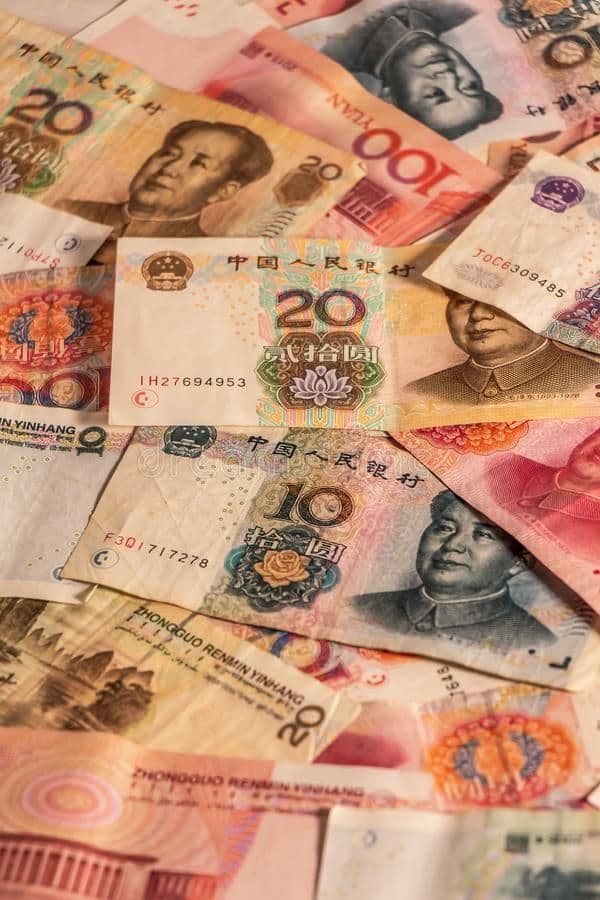
Shanghai has a reputation for glittering skyscrapers, Michelin-starred restaurants, and designer boutiques. Look at the Pudong skyline at night and it's easy to assume this city will drain your wallet fast. But here's the thing most travelers don't realize until they arrive: Shanghai is genuinely one of the most affordable major cities in Asia when you know how to navigate it.
This Shanghai budget guide will show you exactly how to do that. Whether you're a backpacker stretching every dollar or a mid-range traveler who wants comfort without the splurge, Shanghai rewards those who go local. You can easily live well here on $35–$55 USD per day — covering a bed, three meals, metro rides, and real cultural experiences. Let's break down exactly how.
How Much Does It Cost to Travel Shanghai? (Daily Budget Breakdown)
Before you book anything, you need a clear picture of Shanghai travel costs. The city covers every budget tier, but knowing where you fall helps you plan smarter.
🎒 Budget Backpacker — ~$35 USD/day
This is the floor for a comfortable, enjoyable trip. At this level, you're sleeping in a hostel dorm, eating almost entirely from street stalls and local canteens, using the metro exclusively, and sticking to free or low-cost attractions. It's very doable, and honestly, this is often the most authentic way to experience Shanghai.
🏨 Mid-Range Traveler — ~$80 USD/day
A private room at a budget guesthouse or a three-star hotel, sit-down meals at local restaurants (not tourist traps), the occasional taxi, and a mix of free and paid attractions. You'll feel comfortable without ever feeling deprived.
✨ Comfort Traveler — $150+ USD/day
A four-star hotel, meals at international restaurants, Didi rides instead of the metro, and entry to premium experiences like the Shanghai Tower observation deck or rooftop cocktail bars. Still far cheaper than equivalent comfort in Tokyo, London, or New York.
Where does the money go? For a budget traveler, the rough daily split looks like this:
- Accommodation: ~35% of daily spend
- Food and drink: ~25%
- Local transport: ~10%
- Attractions and activities: ~20%
- Miscellaneous (SIM card, water, small purchases): ~10%
Understanding this split helps you make trade-offs. If you splurge on a nicer bed one night, you compensate by eating even more locally that day. That flexibility is what makes Shanghai so budget-friendly.
What Factors Affect Your Shanghai Daily Budget?
Seasonality matters more than people think. May and October (Golden Week) are peak periods. Accommodation prices spike by 30–50%, and major attractions are genuinely crowded. If you can travel in January or February (outside Chinese New Year), you'll find some of the lowest hotel prices of the year. March, April, June, and November are sweet spots — pleasant weather, reasonable prices.
Neighborhood choice affects costs significantly. Staying near Lujiazui in Pudong or directly on the Bund means paying a tourist premium on everything from coffee to convenience store snacks. Neighborhoods like Hongkou, Putuo, or the quieter parts of Jing'an offer the same metro access at a fraction of the price.
Solo versus group travel: Hot pot, shared dishes, and group taxi rides all get cheaper per person when you travel with others. If you're solo, connecting with fellow hostel guests for dinner genuinely reduces your food bill.
Shanghai Daily Budget Breakdown 💰
Hover over segments to see costs. Toggle traveler tier below.
How to Find Budget Accommodation in Shanghai
Shanghai budget accommodation covers a surprisingly wide range. Here's how to navigate it without ending up in a dingy room near a construction site.
Types of Budget Accommodation
🛏️ Hostels (¥70–¥130/night for dorm beds, or $10–$18 USD)
Shanghai has a solid hostel scene, particularly in the French Concession and Jing'an districts. Good hostels here aren't just cheap — they're social hubs with common rooms, rooftop spaces, and staff who speak English and know the city well. For solo travelers, staying in a hostel even for a few nights helps you meet people, split costs on shared meals, and get honest local tips.
🏠 Budget guesthouses in the French Concession
The French Concession is one of Shanghai's most atmospheric neighborhoods — tree-lined streets, old shikumen (stone-gate) buildings, independent cafes. Budget guesthouses tucked into these alleys often charge ¥150–¥250 ($20–$35) for a private room. Not glamorous, but charming and well-located.
🚀 Capsule hotels
This is a growing trend in Shanghai that bridges the gap between hostel dorm and private room. Pod-style capsule hotels offer privacy, a personal light and plug socket, and surprisingly good sleep for around ¥100–¥180 per night. Great option if you want your own space without paying full private room prices.
🏩 Budget chain hotels: Hanting, 7 Days Inn, Home Inn
These Chinese chains are the equivalent of a no-frills but clean and reliable budget motel. You get a private room, private bathroom, air conditioning, and Wi-Fi for around ¥150–¥250 per night. They're everywhere, staff sometimes speak basic English, and the quality is consistent.
Best Neighborhoods for Budget Stays
- 🏙️ Jing'an District — Central, metro-connected, walking distance to major sights. Budget options here are great value given the location.
- 🏘️ Hongkou District — North of the Suzhou Creek, more authentic residential feel, noticeably fewer tourists, and prices are 15–25% cheaper than equivalent places in Jing'an or Xuhui.
- 🌆 Putuo District — Mostly local residential area, very cheap, less convenient for sightseeing but excellent metro links compensate.
How to Vet a Shanghai Hostel Before Booking
Here's what separates a good budget stay from a nightmare:
What to look for:
- Metro station within 10 minutes walk (critical in a city this large)
- 24-hour reception (for late arrivals from the airport or late-night returns)
- Confirmation that the property can register foreign guests with local police (this is a legal requirement in China — a legitimate property will always do this automatically)
Red flags:
- No Chinese business license displayed (required for all registered accommodations)
- Cash-only policies with no receipt offered
- No reviews in the past 6 months
- Photos that look significantly better than recent guest photos
🎥 A Full Day in Shanghai on a $30 Budget — Real Costs Shown
How to Eat Well in Shanghai on a Tight Budget
Here's where Shanghai genuinely surprises people: the street food scene is world-class, deeply local, and incredibly cheap. Following a smart Shanghai street food guide will be one of the best decisions you make on this trip.
The central truth is this — eating like a local in Shanghai costs a fraction of what eating at tourist-facing restaurants costs, and it tastes significantly better.
🌅 Breakfast Options (¥5–¥15, or $0.70–$2.10)
Shanghai breakfasts are a genuine highlight. Start your morning at a street cart or small local shop and you'll eat like a local for almost nothing.
- Sheng jian bao — Pan-fried pork buns with crispy bottoms and hot, juicy soup inside. An order of four costs around ¥8–¥12. This is one of Shanghai's most iconic foods and most visitors never eat it because they're not up early enough.
- Ci fan tuan — Sticky rice rolls stuffed with pickled vegetables, youtiao (fried dough), and sometimes egg. Filling, cheap at ¥5–¥8, and eaten on the go.
- Dan bing — Egg crepes cooked fresh to order. A vendor will crack eggs onto a hot griddle, fold in scallions, chili paste, and a crispy cracker. Around ¥8–¥12.
☀️ Lunch Strategies (¥20–¥40, or $2.80–$5.50)
- Canteen-style restaurants near universities — Fudan University in Yangpu, Tongji in the same district, and East China Normal University in Putuo all have surrounding streets packed with cheap, hearty lunch spots. A full bowl of braised pork over rice (hong shao rou fan) runs ¥18–¥25.
- Noodle shops in Old Town (Nanshi) — The winding lanes around the Yu Garden area have local noodle shops that predate the tourist development. A bowl of thick soup noodles costs ¥15–¥22.
- Beef noodle stalls in Hongkou — This district has a strong Shanghainese working-class food culture. Braised beef noodles here are extraordinary value at ¥20–¥35.
🌙 Dinner on a Budget (¥30–¥60, or $4–$8.50)
- Night markets: Yunnan Road Food Street and Wujiang Road are two of the most accessible food streets for budget travelers. Expect grilled skewers, steamed bao, cold noodles, and fried snacks at ¥5–¥20 per item.
- Hot pot in a group: Per-person cost drops significantly when you share a hot pot table. A good local hot pot spot will run ¥40–¥60 per person with drinks, versus ¥100+ at a tourist-facing chain.
- Xiaolongxia (crayfish): Between April and October, crayfish season hits Shanghai hard. Piles of spiced, sauced crayfish appear outside local restaurants for ¥30–¥50 per serving. Messy, communal, and unforgettable.
How to Navigate Shanghai Menus Without Speaking Mandarin
Don't let language stop you from eating at local spots. Here's how to handle it:
- Translation apps: Download Pleco (the gold standard Chinese dictionary app) and use Google Lens or WeChat's built-in scanner to photograph menus. Point your camera, get a translation in seconds.
- Point and order: Most local restaurants have photos on the menu or dishes displayed near the counter. Pointing confidently and holding up fingers for quantity works everywhere.
- Key phrases in pinyin: Zhège (这个) = "This one" · Duōshao qián? (多少钱?) = "How much?" · Mǎidān (买单) = "Check, please" · Bù là (不辣) = "Not spicy"
Best Shanghai Street Food Neighborhoods for Budget Travelers
- Tianzifang back alleys — Skip the main tourist drag and explore the narrow side lanes. Local snack vendors operate here at local prices.
- Laoximen night snack scene — Old City Gate area, authentic and largely tourist-free, excellent late-night eating.
- Jiujiang Road breakfast corridor near People's Square — One of the best stretches for early morning street food in central Shanghai.
- Zhoujiazui Road in Hongkou — Working-class neighborhood food culture, some of the most honest pricing in the city.
Getting Around Shanghai Without Spending a Fortune
Shanghai's metro system is one of the best arguments for visiting this city on a Shanghai daily budget backpacker plan. It's clean, air-conditioned, absurdly extensive (20+ lines covering nearly every corner of this enormous city), and remarkably cheap.
🚇 Average Metro Ride: ¥3–¥8 ($0.40–$1.10)
Even a cross-city journey from one end of Line 2 to the other costs ¥6–¥8. For comparison, a single London Tube journey at equivalent distance would cost $5–$8. Shanghai's metro makes the entire city accessible on a backpacker budget.
Metro Savings Tips
- Buy a Shanghai Public Transport Card (交通卡) at any station. It speeds up entry and can be used on buses, which are even cheaper (¥2 flat fare).
- Airport Line 2 connects Pudong International Airport to the city center for ¥8 (about $1.10) — one of the best airport transport deals in any major world city.
- Maglev vs. Airport Metro: The Maglev is a fun experience at 430km/h but costs ¥50–¥80 one way. Metro Line 2 takes longer but costs ¥8 and goes deeper into the city. For budget travelers, Metro wins every time.
Other Transport Options
- 🚗 DiDi (Chinese Uber) — For late nights when the metro has stopped, or for reaching outer districts. A 20-minute ride within the city rarely exceeds ¥30–¥40 ($4–$5.50). Download the DiDi International app before you arrive.
- 🚲 Shared bikes: Hello Bike, Meituan Bike — ¥1.5 per 30 minutes. Genuinely useful in walkable districts like the French Concession, Jing'an, and around the Old Town area.
- 🚶 Walking zones — The French Concession, Xintiandi, and the Old Town (Yu Garden area) are all compact enough to explore entirely on foot once you're there.
How to Set Up Transport Payments as a Foreign Visitor
This used to be the major headache for foreign visitors. It's much easier now.
- Alipay and WeChat Pay both accept foreign Visa, Mastercard, and other international cards as of 2023–2024. Download Alipay, link your foreign card during setup, and you can pay for DiDi, shared bikes, most restaurants, and convenience stores without needing a Chinese bank account.
- Metro card top-up: Do this at any station service machine. Cash top-ups still work perfectly and require no app setup.
- DiDi International app: Available in English. Link the same foreign card. Works identically to Uber. Drivers don't need to speak English — the app handles destination entry.
Free and Cheap Things to Do in Shanghai
Here's something the luxury travel magazines won't tell you: the best experiences in Shanghai are either free or nearly free. This is the heart of any real list of cheap things to do in Shanghai — and it's a long one.
Completely Free Experiences
- 🌃 The Bund waterfront promenade — Walking the Bund at night is one of the great urban experiences in the world. The Pudong skyline lit up across the Huangpu River is spectacular, costs nothing, and is best enjoyed slowly on foot with a ¥5 convenience store beer.
- 🏙️ People's Square and Renmin Park — The geographic and cultural heart of Shanghai. On weekends, the surrounding park fills with parents posting marriage-eligible children's profiles in the famous "marriage market" — a free and fascinating cultural spectacle.
- 🌿 Century Park in Pudong — The largest park in central Pudong, ideal for a picnic, bike ride, or afternoon in the sun. Entry is ¥10 — barely worth mentioning.
- 🎨 M50 Creative Park — Shanghai's main contemporary art district, housed in old textile factories along Suzhou Creek. Entry to the galleries is free. A fascinating contrast to the city's commercial shine.
- 🏛️ Shanghai Museum — One of China's great museums, covering ancient Chinese art, ceramics, bronzes, and calligraphy. Admission is free with passport registration at the door.
- 🏡 Former French Concession streets — Simply wandering the tree-canopied lanes of Wukang Road, Anfu Road, and Fuxing Road costs nothing and delivers hours of architectural pleasure and café-watching.
Low-Cost Paid Attractions (Under ¥50)
| Attraction | Entry Fee | USD Approx. | Best For |
|---|---|---|---|
| Yuyuan Garden (Yu Garden) | ¥40 | ~$5.50 | Classical Chinese garden design |
| Longhua Temple | ¥10 | ~$1.40 | Authentic Buddhist worship |
| Jade Buddha Temple | ¥20 | ~$2.80 | Living temple, active monks |
| Shanghai History Museum | Free | $0 | City history from ancient times |
| Zhujiajiao Water Town | Free entry | $0 | Day trip, ancient canal town |
| Xintiandi Plaza | Free | $0 | Architecture, people-watching |
Free Day-Trip from Shanghai: Zhujiajiao Water Town
One of the most underrated free experiences near Shanghai is Zhujiajiao, a 1,700-year-old water town about 45 minutes from People's Square by metro and bus. Entry to the town itself is free — you only pay for individual attractions inside (¥10–¥30 each). Stone bridges, canal boats, and Ming/Qing dynasty architecture make it one of the most photogenic day trips in the region.
🎥 Things to Do in Shanghai — Budget Traveler's Complete Guide
Practical Money Tips for Budget Travelers in Shanghai
Cash vs. Digital Payments
Shanghai is increasingly cashless, and WeChat Pay and Alipay dominate. Both apps now support foreign credit cards — this is a 2023–2024 update that has genuinely transformed the foreign visitor experience. Set up Alipay before you arrive using your home email and a foreign Visa or Mastercard. You'll be able to pay at almost every restaurant, shop, and transport service.
That said, always carry ¥200–¥300 in cash. Some very small street vendors, older guesthouses, and certain temples still run cash-only.
SIM Card and Data
- Buy a Chinese SIM at Pudong Airport arrivals on landing. China Mobile and China Unicom both sell tourist SIMs for ¥50–¥100 for 15–30 days of data.
- VPN note: Google Maps, Gmail, and most Western apps are blocked in China. Download a VPN before you arrive — this is critical for navigation and communication.
- Alternative: An international eSIM from providers like Airalo avoids the VPN issue since you're routing through a non-Chinese network. Works out to roughly the same cost.
Avoiding Common Budget Mistakes
- Booking accommodation on Booking.com or Hotels.com — Always check Trip.com for the same property. You'll almost always find it cheaper.
- Eating near major tourist sights — The restaurants immediately adjacent to the Bund, Yu Garden, and the Pearl Tower are universally overpriced. Walk two streets away and prices drop by 50–70%.
- Taking taxis instead of the metro — Shanghai traffic is brutal during rush hour. A 6km taxi ride can cost ¥30–¥50 and take 40 minutes. The metro covers the same distance in 12 minutes for ¥4.
- Buying bottled water constantly — Carry a refillable bottle. Most malls, hotels, and metro stations have filtered water dispensers. Convenience store water is ¥2–¥3 if you must buy it.
- Ignoring free museum days — Many Shanghai museums offer free entry on certain weekdays or the first Sunday of the month. Check before you visit.
Sample 3-Day Budget Itinerary for Shanghai
Want to see how a real budget day comes together? Here's a practical three-day framework that keeps you well within the Shanghai daily budget backpacker range of $35–$55 per day.
Day 1: Old Shanghai and the Bund
- Morning: Street breakfast near your hostel — sheng jian bao and soy milk (¥12 total)
- Mid-morning: Yu Garden and surrounding Old Town lanes (¥40 entry). Explore the covered bazaar but skip the overpriced vendors inside.
- Lunch: Local noodle shop in the Nanshi area (¥20)
- Afternoon: Shanghai History Museum — free with passport. Then walk to the Bund waterfront.
- Evening: Watch the Pudong skyline light up from the Bund promenade — free. Dinner at Yunnan Road Food Street (¥35).
- Day 1 total estimate: ¥150–¥180 (~$21–$25 USD)
Day 2: French Concession and Jing'an
- Morning: Dan bing breakfast from a street cart (¥10). Morning walk through Wukang Road and Anfu Road — free.
- Mid-morning: Jade Buddha Temple (¥20). Active Buddhist temple with beautiful statues.
- Lunch: Canteen near Jing'an Temple metro area (¥25)
- Afternoon: Tianzifang back alleys and M50 Creative Park — both free to enter. Browse independently run galleries and artisan shops.
- Evening: Hot pot dinner with fellow hostel travelers — ¥50 per person in a group setting.
- Day 2 total estimate: ¥160–¥200 (~$22–$28 USD)
Day 3: Zhujiajiao Day Trip
- Morning: Early ci fan tuan breakfast (¥8). Metro to People's Square, then bus 朱家角 to Zhujiajiao (¥12 round trip metro + ¥17 bus).
- Day: Explore the water town — free entry to the town itself. One paid attraction of your choice (¥20–¥30).
- Lunch: Local restaurant in Zhujiajiao — river shrimp and rice (¥40)
- Evening: Return to Shanghai, street dinner near your hostel (¥30).
- Day 3 total estimate: ¥150–¥190 (~$21–$26 USD)
📊 3-Day Trip Total (Budget Backpacker)
- 3 nights hostel dorm: ¥270–¥390
- 3 days food + activities: ¥460–¥570
- Transport (metro + bus): ¥80–¥120
- Total 3-day estimate: ¥810–¥1,080 (~$113–$150 USD)
Key Takeaways: Your Shanghai Budget Guide Summary
Shanghai doesn't have to be expensive. The gap between the city's luxury reputation and the reality on the ground is enormous — and that gap is where budget travelers thrive. Here's your quick-reference summary:
- ✅ Daily budget range: $35–$55 USD/day for budget backpackers; $80/day mid-range
- ✅ Best accommodation areas: Jing'an, Hongkou, French Concession (avoid Pudong CBD)
- ✅ Eat like a local: Street breakfast + university-area lunch + night market dinner = ¥65/day
- ✅ Metro over taxis: ¥3–¥8 per ride covers the entire city efficiently
- ✅ Free highlights: The Bund, People's Square, French Concession walks, Shanghai Museum, M50
- ✅ Book via Trip.com/Ctrip for 10–20% savings on accommodation vs. Western OTAs
- ✅ Set up Alipay with a foreign card before arrival — it works everywhere now
- ✅ Avoid peak season (May, October Golden Week) for best prices and thinner crowds
The travelers who get the most out of Shanghai aren't the ones with the biggest budgets — they're the ones who go local. Eat where the students eat. Sleep in neighborhoods where tourists don't wander. Take the metro. Walk the back streets. Shanghai will reward every one of those choices with experiences that no amount of money at a five-star hotel can replicate.
Ready to start planning? Bookmark this Shanghai budget guide and share it with your travel companions. Got a budget tip of your own from a recent Shanghai trip? We'd love to hear it. 🏙️