
Twenties Era Shanghai: The Ultimate Guide to the Paris of the East
Discover the magic of twenties era Shanghai — the glamorous nightlife, stunning fashion, jazz clubs, and the fascinating blend of East meets West that made it the Paris of the East.
Posted by
 Vangelis
Related reading
Shanghai Foreign Concessions: The Untold Story of China's 'Foreign City'
Discover how foreign powers controlled parts of Shanghai from 1845-1943. Explore the history, daily life, and lasting legacy of the Shanghai foreign concessions that shaped modern China.
Shanghai's Literary Revolution: How Writers Transformed a City Into the Paris of the East
Discover how Shanghai intellectuals and writers like Lu Xun and Eileen Chang transformed Chinese literature through revolutionary approaches, creating a lasting literary legacy that bridges East and West.
Discover the fascinating history of Shanghai's treaty port era. Learn about foreign concessions, daily life, architecture, and how this period shaped modern Shanghai. Includes interactive timeline, maps, and expert resources.
Introduction 🌆
Picture yourself walking down a bustling street. Neon lights flash above. Jazz music pours out of a nearby club. Rickshaws weave through the crowd. Welcome to twenties era Shanghai — one of the most exciting cities the world has ever seen!
Are you curious about what made this Chinese city the "Paris of the East"? Want to know how East met West in ways never seen before? This guide will walk you through everything. You will learn about the glamorous nightlife, the stunning fashion, the rise of Chinese cinema, and the everyday lives of people who called this incredible place home. Plus, well share tips on how you can experience old Shanghai magic today!
Lets step back in time together. 🕰️
Why Twenties Era Shanghai Was Unlike Anywhere Else 🌏
A City Born from History
How did Shanghai become such a special place? It all started with history. After several wars in the 1800s, China had to open certain cities to foreign trade. These were called treaty ports. Shanghai became the biggest and most important one.
By the time the twenties rolled around, Shanghai had become a city of many parts. Different countries controlled different areas. This created a unique melting pot. Think of it like a city with multiple personalities — all living side by side!
The Three Shanghais
Heres a simple way to understand how the city worked:
- The International Settlement: Run mainly by British and American businessmen. This was the commercial heart. Banks, trading companies, and big businesses made their home here.
- The French Concession: Managed by France. This area had a more relaxed, artistic feel. Tree-lined streets. Cozy cafés. Writers and artists loved it here.
- Chinese Districts: Where most local Chinese people lived and worked. These areas were crowded and busy, full of traditional markets and temples.
Each zone had its own rules, police force, and even currency! Can you imagine living in a city like that? It must have been confusing — but also pretty exciting.
🗺️ The Three Shanghais: A City Divided
Each zone had its own laws, currency, and police force — a city of cities!
Earning the Name "Paris of the East"
People called twenties-era Shanghai the "Paris of the East" for good reason. Like Paris, it was a center of fashion, art, and culture. The architecture was stunning. The nightlife was legendary. And people from all over the world came to see what the buzz was about.
But Shanghai had something Paris didnt — a unique blend of Chinese and Western culture. This mix created something completely new and fresh. It was East meets West in the most spectacular way! ✨
🎬 Shanghais Golden Age: A Visual Journey Through History
The Bund: The Heart of Old Shanghai 🏛️
Asias Wall Street
If you wanted to see power and money in the 1920s Shanghai scene, you went to the Bund. This famous waterfront strip was lined with impressive buildings. Each one housed banks, trading companies, and consulates from around the world.
The buildings still stand today! They show off different styles — from classical European to Art Deco. Walking along the Bund feels like stepping into a time machine.
Some famous buildings include:
- The Hongkong and Shanghai Bank — Once the second-largest bank in the world
- The Customs House — With its famous clock tower
- The Peace Hotel — Where jazz still plays today!
Daily Life on the Waterfront
The Bund wasnt just for rich bankers. It was a place where everyone mixed. You might see a wealthy British businessman in a top hat walking past a Chinese street vendor selling noodles. Cargo ships from distant lands docked at the wharves. The smell of the sea mixed with car exhaust and cooking food.
It was busy, loud, and alive with energy. The Bund was where the world came to Shanghai — and Shanghai showed off to the world.
📅 Interactive Timeline: The Rise of Twenties Shanghai
Hover over events to explore the key moments that shaped twenties era Shanghai
The French Concession: Bohemian Paradise 🎨
A Different Kind of Beauty
While the International Settlement was all business, the French Concession had a softer charm. The streets were lined with plane trees. Elegant villas hid behind garden walls. It felt more like a quiet European town than a booming Asian metropolis.
This neighborhood attracted artists, writers, and intellectuals. Coffee houses became places for deep conversations about politics, art, and the future of China. It was bohemian, creative, and a little bit rebellious.
Architecture That Takes Your Breath Away
The French Concession is famous for its beautiful buildings. Many were built in the Art Deco style — a design movement popular in the twenties. Art Deco features:
- Clean geometric lines
- Bold colors
- Decorative patterns
- Modern materials like chrome and glass
These buildings still survive today. Taking a walking tour through the old French Concession is like visiting an outdoor architecture museum!
Where Ideas Were Born
Did you know that some of Chinas most important thinkers lived in the French Concession? Writers met to discuss new ideas. Political activists planned for change. Even future leaders hid out in its quiet streets.
The French Concession wasnt just pretty — it was a place where history was being made. 📚
🎬 Shanghai Jazz: The Sound of the Roaring Twenties
Nightlife and Entertainment: When Shanghai Never Slept 🎷
Jazz Takes Over
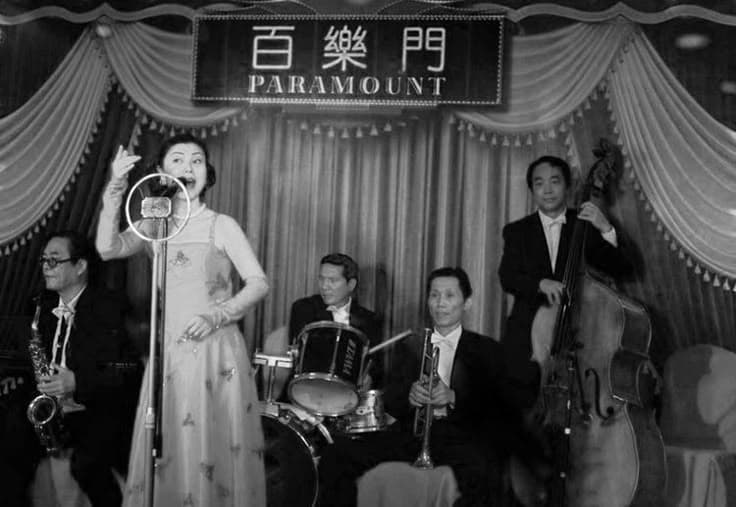
The twenties were the Jazz Age worldwide, and Shanghai was no exception! Jazz music came to the city through Filipino and American musicians. Soon, Chinese musicians joined in too. Clubs opened everywhere.
The most famous was the Paramount Ballroom. It was huge, glamorous, and packed every night. People called it the "premier nightclub of the Far East." Imagine crystal chandeliers, polished dance floors, and music that made you want to move!
Some other popular spots included:
- Ciros — Attracting the international crowd
- The Majestic Café — Known for great food and music
- Casanova — A favorite among younger crowds
The Taxi Dancers
Heres something fascinating about Shanghai nightlife of that era. Many dance halls hired taxi dancers. These were young women who would dance with customers for a fee — just like taking a taxi! Customers bought tickets and gave them to the dancer of their choice.
It might sound strange today, but it was hugely popular back then. For many young Chinese women, it was a way to earn good money. Some became quite famous!
The Shadow Side
Not everything about Shanghai nightlife was glamorous. The city also had a dark underbelly. Gambling dens operated in back alleys. The opium trade was still widespread. And powerful criminal gangs controlled much of the entertainment industry.
The Green Gang was the most notorious. Led by the infamous Du Yuesheng (nicknamed "Big-Eared Du"), they had their fingers in everything — from nightclubs to shipping to politics.
Twenties Shanghai was a city of contrasts. Glitter and grime existed side by side. Thats part of what made it so fascinating — and so dangerous. ⚠️
Fashion and Style: The Shanghai Look 👗
The Qipao Revolution
If theres one fashion item that defines this era of Shanghai history, its the qipao (also called cheongsam). This figure-hugging dress became the symbol of modern Chinese femininity.
But heres an interesting fact: the qipao of the twenties looked very different from traditional versions. Designers shortened the length. They added Western-style cuts. They used new fabrics like silk and velvet. The result was a beautiful blend of Chinese tradition and modern style.
Famous Shanghai tailors could create a custom qipao in just days. Women from all over Asia came to Shanghai just to get one made!
👗 The Qipao Evolution: From Traditional to Modern
Western Fashion Arrives
Chinese women werent just inspired by their own traditions. They also looked to the West. The flapper style from America and Europe became popular. This meant:
- Shorter hemlines
- Bobbed haircuts
- Less restrictive undergarments
- Bold makeup
Young Shanghai women embraced this freedom. They smoked cigarettes. They went dancing. They challenged old rules about how women should behave.
It was revolutionary — and some older people didnt like it one bit! 😮
The Calendar Girl Phenomenon
Have you ever heard of Shanghai calendar posters? These were beautiful advertising images featuring stylish young women. They promoted everything from cigarettes to face cream.
The artists who created these posters were incredibly talented. They blended Chinese painting techniques with Western advertising styles. Today, these posters are valuable collectors items. They give us a wonderful window into the fashion and beauty ideals of the Shanghai golden era.
Arts and Culture: A Creative Explosion 🎬
Chinese Cinema Is Born
The twenties saw the birth of the Chinese film industry — and Shanghai was its Hollywood! Studios like Mingxing Film Company produced dozens of movies. Stars were born overnight. Fans waited in long lines to see the latest pictures.
Some famous stars of Shanghais silent film era include:
- Ruan Lingyu — Called the "Chinese Greta Garbo," she was known for her emotional performances
- Butterfly Wu — One of the first Chinese movie stars
- Jin Yan — A popular leading man
These early films often dealt with social issues. They showed the struggles of ordinary Chinese people. They questioned old traditions. Cinema became a powerful tool for change.
The Publishing Boom
Old Shanghai wasnt just about movies. It was also Chinas publishing capital. Magazines and newspapers flourished. New ideas spread through printed pages.
Some important publications included:
- Shenbao — A major Chinese newspaper
- The North China Daily News — The voice of the foreign community
- Liangyou (The Young Companion) — A popular pictorial magazine
Writers like Lu Xun used literature to criticize society and push for modernization. His short stories are still read today. The publishing industry helped spread new ideas across China — and Shanghai was at the center of it all.
🎬 Life in Old Shanghai: Rare Historical Footage
Daily Life: How People Really Lived 🏠
The Wealthy Few
For the rich, life in twenties-era Shanghai was spectacular. Wealthy families lived in grand mansions. They had servants, cars, and memberships to exclusive clubs. Weekend activities might include horse racing, tennis, or tea dances.
International businessmen enjoyed a lifestyle they could never afford back home. Chinese tycoons built empires in banking, shipping, and real estate.
The Growing Middle Class
Something new was happening in Shanghai — a middle class was emerging. These were doctors, lawyers, teachers, and shop owners. They werent super rich, but they lived comfortably.
Middle-class families valued education. They sent their children to modern schools. They bought newspapers and magazines. They hoped for a better future.
The Working Poor
But for most people, life in Shanghai was hard. Factory workers toiled long hours for little pay. Child labor was common. Street vendors worked from dawn to dusk just to survive.
The contrast between rich and poor was shocking. A wealthy businessman might pass hundreds of beggars on his way to his grand office. This inequality was a ticking time bomb — one that would eventually explode. 💔
Food Culture
One thing everyone shared was a love of food! Shanghai developed its own cuisine style — a blend of local Jiangsu cooking with influences from around China and the world.
Popular dishes included:
- Xiaolongbao — Those famous soup dumplings!
- Hongshao rou — Braised pork belly
- Shengjianbao — Pan-fried buns
Street food vendors served quick, cheap meals to workers. Fine restaurants catered to the wealthy. Food was — and still is — central to Shanghai culture. 🥟
Famous Figures Who Shaped the Era 👤
The Taipans (Business Leaders)
The word taipan means "big boss." These were the men who ran Shanghais economy.
Victor Sassoon was perhaps the most famous. His family had made a fortune in the opium trade (yes, that dark history again). By the twenties, Victor had moved into real estate. He built some of Shanghais most famous buildings, including the Cathay Hotel (now the Peace Hotel).
Silas Hardoon was another major figure. He was one of the richest men in Asia. His life story was incredible — from poor Iraqi immigrant to billionaire tycoon. He married a Chinese woman and built a famous garden estate.
Gangsters and Power Brokers
You cant talk about old Shanghai without mentioning the gangsters. Du Yuesheng rose from humble beginnings to become the most powerful criminal in the city. The Green Gang controlled opium, gambling, and much more.
But heres the twist — Du wasnt just a criminal. He also sat on the boards of banks and charities. He influenced politics. In Shanghai, the line between legitimate business and organized crime was often blurry.
Artists and Stars
Zhou Xuan was known as the "Golden Voice" of Shanghai. Her songs defined the era. Even today, her music is played in movies and TV shows set in twenties-era Shanghai.
Ruan Lingyu brought emotion to the silent screen like no one else. Her tragic death at age 24 shocked the nation and made her a legend.
How the Golden Era Ended 😢
Storm Clouds Gather
The glamorous period of Shanghai history couldnt last forever. Several factors brought it to an end:
- Japanese invasion (starting in the thirties) — War destroyed much of the city
- Political upheaval — Civil war between different Chinese factions
- Economic problems — The Great Depression hit Shanghai hard
- Social tensions — The gap between rich and poor became unsustainable
By the late thirties, the "Paris of the East" was in ruins. The golden age was over.
Legacy and Memory
But the memory of twenties Shanghai lives on! Today, theres huge nostalgia for this period. Movies, TV shows, and books recreate the glamour and drama. Historic buildings have been restored. Jazz clubs have reopened.
The spirit of old Shanghai refuses to die. It continues to inspire artists, fashion designers, and dreamers around the world.
Experience Twenties Era Shanghai Today 🗺️
Must-Visit Sites
Want to feel the magic yourself? Here are places you can visit:
- The Bund — Walk along the waterfront and admire the historic buildings
- French Concession — Wander the tree-lined streets and discover hidden cafés
- Peace Hotel — Listen to the Old Jazz Band (theyve been playing for decades!)
- Paramount Ballroom — Restored and open for dancing
- Former French Club — Now the Okura Garden Hotel
Museums and Exhibitions
- Shanghai History Museum — Great overview of the citys past
- Shanghai Museum of Arts and Crafts — Located in a beautiful old mansion
- Propaganda Poster Art Centre — Fascinating collection of historical posters
Recommended Resources
Books to Read: 📖
- Shanghai: The Rise and Fall of a Decadent City by Stella Dong
- Empire of the Sun by J.G. Ballard
- Shanghai Girls by Lisa See
Films to Watch: 🎥
- Shanghai Triad — Directed by Zhang Yimou
- Lust, Caution — Directed by Ang Lee
- The White Countess — Starring Ralph Fiennes
Music to Listen To: 🎵
- Search for "Shanghai Jazz" playlists online
- Look for recordings by Zhou Xuan
Conclusion: Your Next Steps ✅
Twenties era Shanghai was a place like no other. It was glamorous and gritty. Modern and traditional. Hopeful and troubled. Understanding this period helps us appreciate how cities grow, how cultures mix, and how quickly things can change.
Heres what to do next:
- 📖 Read Shanghai: The Rise and Fall of a Decadent City for a deeper dive
- 🎬 Watch Shanghai Triad or Lust, Caution to see the era come alive
- 🎵 Listen to vintage Shanghai jazz playlists
- 🗺️ Plan a visit to Shanghais historic Bund and French Concession
- 🖼️ Explore online archives of old Shanghai photographs
- 📝 Research your family history — maybe you have Shanghai connections!
The Paris of the East may be history, but its story isnt over. Now its your turn to explore! 🌟
Have you ever visited Shanghai? Did you feel the echoes of its glamorous past? Share your experiences in the comments below!